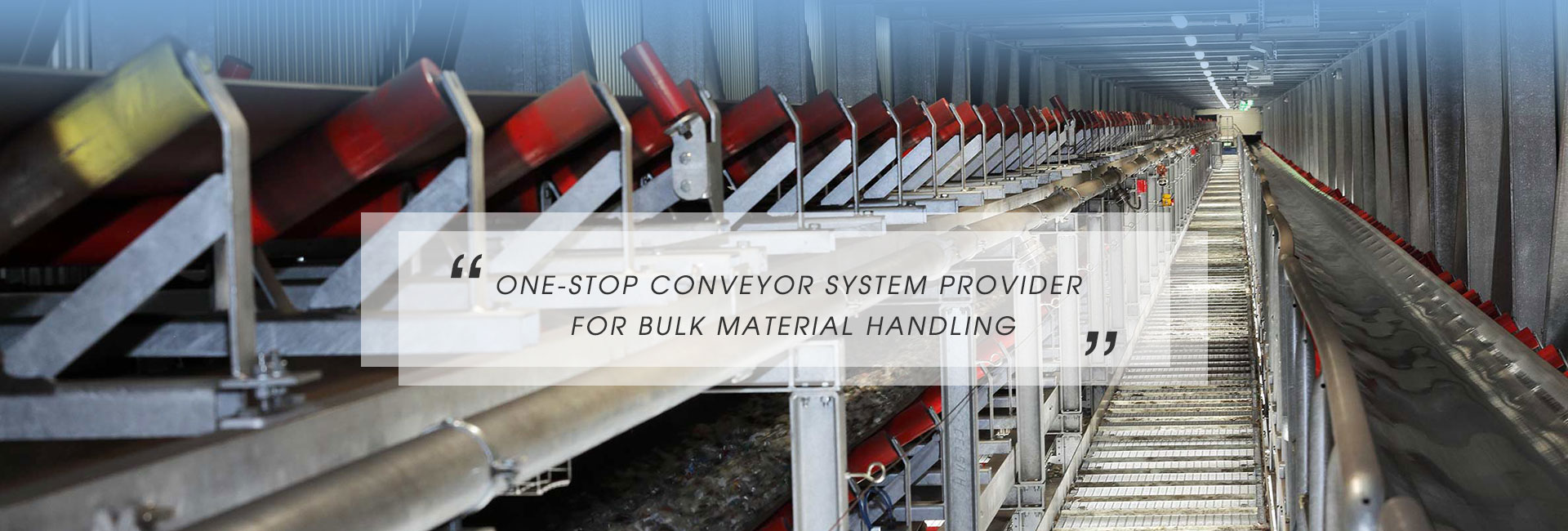
In modern manufacturing, logistics, and industrial production, efficient material movement is essential for improving productivity. Among various material handling solutions, Conveyor Belts have become one of the most widely used systems for transporting products, raw materials, and bulk goods.
From mining sites and factories to warehouses and food processing facilities, conveyor belts help move materials continuously with less manual effort. Their simple but effective working principle makes them an important part of modern industrial automation.
So, how do conveyor belts work, and why are they so important in today's industries?
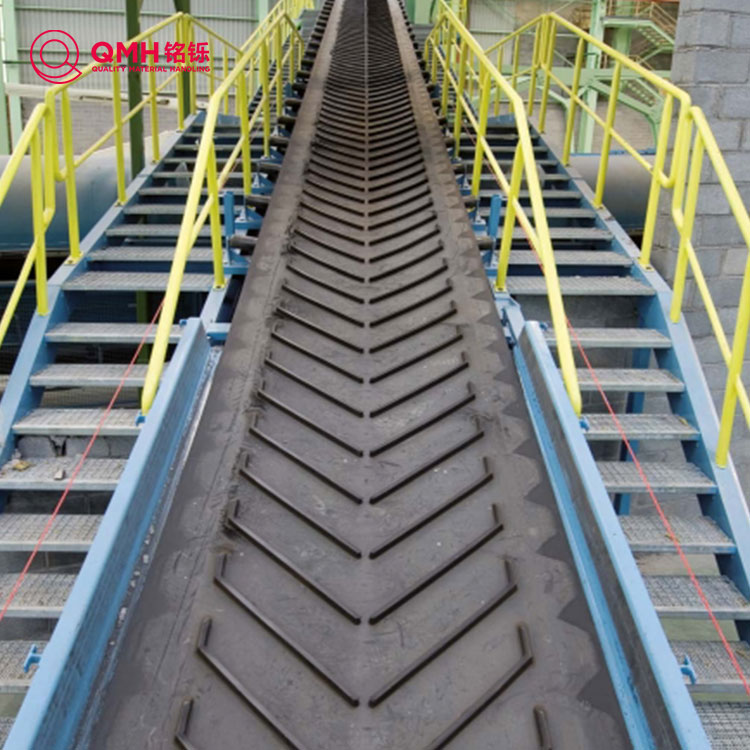
A conveyor belt is a continuous material transportation system that uses a moving belt surface to carry products or materials from one location to another.
The belt moves around rotating components, allowing materials to be transported efficiently over short or long distances.
A typical conveyor belt system includes:
The working principle of a conveyor belt is based on continuous belt movement powered by a motor-driven pulley.
The basic process is:
Electric motor provides power
Drive pulley rotates
Conveyor belt moves continuously
Materials are transported along the belt surface
Materials reach the destination point
The motor controls the belt speed, while rollers and support structures help maintain smooth movement and proper belt alignment.
Although conveyor belts have a simple operating concept, each component plays an important role in system performance.
The belt is the main carrying surface that directly contacts and transports materials.
Different applications require different belt materials, including:
The drive pulley connects with the motor and provides the force needed to move the belt.
Idler rollers support the belt and help reduce friction during operation.
The motor provides mechanical power, while the control system manages speed, operation, and automation functions.
The frame provides structural support and keeps the conveyor system stable during operation.
Conveyor belts have become essential because they improve the efficiency and reliability of material handling.
Their advantages include:
Flat belt conveyors are among the most common types and are widely used for transporting general products and packages.
Applications include:
Rubber conveyor belts are designed for heavy-duty applications requiring strong wear resistance.
Common industries include:
PVC conveyor belts are commonly used where lightweight materials and clean surfaces are required.
Typical applications include:
Modular belts are made from connected plastic modules, allowing easy cleaning and maintenance.
Cleated belts include raised sections that help prevent materials from sliding, especially during inclined transportation.
Mining operations use heavy-duty conveyor belts to transport materials such as coal, minerals, and rocks over long distances.
Factories use conveyor belts to move components between different production stages, improving workflow efficiency.
Food-grade conveyor belts help transport products while meeting hygiene and cleaning requirements.
Warehouses use conveyor systems for sorting, packaging, and moving products efficiently.
Recycling facilities use conveyor belts to transport and sort waste materials during processing.
| Feature | Conveyor Belt | Traditional Manual Handling |
|---|---|---|
| Transportation Method | Continuous automated movement | Manual operation |
| Efficiency | High and consistent | Depends on workers |
| Labor Requirement | Lower | Higher |
| Suitable Applications | Industrial production and logistics | Small-scale movement |
| Automation Capability | Easy integration with control systems | Limited |
Although conveyor belts are designed for continuous operation, regular maintenance is important to prevent unexpected downtime.
Common issues include:
Proper maintenance helps extend conveyor belt service life and improve operating stability.
As industries continue moving toward automation and smart manufacturing, conveyor belt systems are becoming more advanced.
Future trends include:
Conveyor belts are a fundamental part of modern material handling systems. By providing continuous, reliable, and efficient transportation, they help industries improve productivity and reduce manual workload.
From mining and manufacturing to logistics and recycling, conveyor belts continue to support industrial development through simple yet effective mechanical technology.
As automation technology advances, conveyor belts will continue evolving into smarter and more efficient solutions for future industrial applications.


