Article Summary: This article provides a comprehensive guide on Filter Conveyor Belts, detailing specifications, industrial applications, maintenance techniques, and solutions to common issues. Readers will gain practical insights for selecting, installing, and optimizing their conveyor systems while ensuring long-term efficiency.
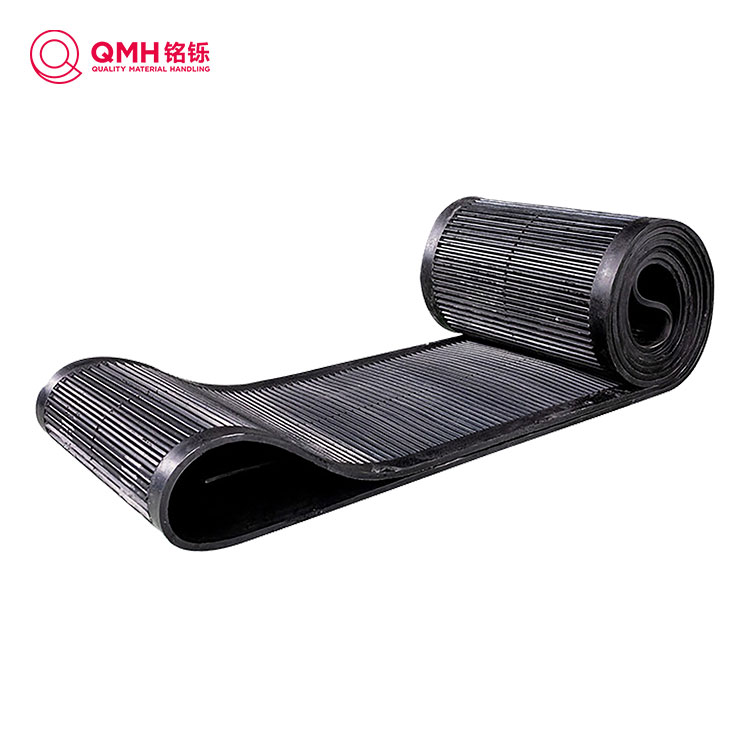
Filter Conveyor Belts are integral components in industrial filtration and material handling systems. They are widely used in wastewater treatment plants, chemical processing, food and beverage industries, and mining operations. These belts are engineered to filter solids from liquids while simultaneously transporting material efficiently.
The primary purpose of this article is to provide an in-depth understanding of Filter Conveyor Belts, including their structural design, performance metrics, selection criteria, and troubleshooting strategies. It aims to guide engineers, plant managers, and procurement specialists in making informed decisions regarding these belts.
Filter Conveyor Belts are available in various materials, mesh sizes, and configurations to suit different industrial requirements. Below is a concise table illustrating the common specifications:
| Parameter | Details |
|---|---|
| Material | Polyester, Polypropylene, Stainless Steel |
| Mesh Size | 20-200 micron |
| Belt Width | 300 mm – 2000 mm |
| Length | Customizable per industrial application |
| Temperature Resistance | -40°C to 120°C (depending on material) |
| Load Capacity | Up to 500 kg/m² |
| Filtration Efficiency | 95% - 99.9% |
These specifications allow the Filter Conveyor Belt to adapt to a wide range of operational conditions, providing both durability and precise filtration performance.
A1: The selection depends on the type of material to be filtered, operating temperature, belt width requirements, and desired filtration efficiency. For high-temperature processes, stainless steel belts are recommended. For chemical resistance, polypropylene is preferred. Consider the load and speed requirements to ensure optimal performance.
A2: Regular cleaning with appropriate solvents or water jets prevents clogging and material buildup. Inspect the belt for wear, tear, and tension regularly. Lubricate moving parts and ensure proper alignment. Scheduled maintenance can extend belt life and reduce downtime.
A3: Common issues include belt misalignment, mesh tearing, and reduced filtration efficiency. Misalignment can be corrected by adjusting rollers and guides. Torn mesh should be repaired or replaced immediately. Reduced efficiency often indicates blockage, which can be resolved by cleaning or using finer mesh belts.
A4: An optimized Filter Conveyor Belt ensures smooth material flow, reduces downtime due to maintenance, and improves filtration precision. Properly selected belts minimize product loss and enhance energy efficiency in processing plants.
Proper maintenance ensures longevity and optimal performance of Filter Conveyor Belts. Key practices include:
In addition to these practices, training personnel on belt handling, installation, and safety protocols reduces operational risks and enhances system reliability.
Filter Conveyor Belts remain a cornerstone in industrial filtration and material transport systems. By carefully considering material type, specifications, and maintenance protocols, operational efficiency can be significantly enhanced. The brand QMH offers high-quality Filter Conveyor Belts tailored to diverse industrial applications, ensuring durability and performance.
For detailed inquiries, product customization, or to discuss specific operational requirements, please contact us today.


