Article Summary: This article explores the applications, selection, and maintenance of Ceramic Wear Lining in industrial operations. It provides detailed product parameters, answers common questions, and highlights how proper use can enhance equipment lifespan and reduce operational costs.
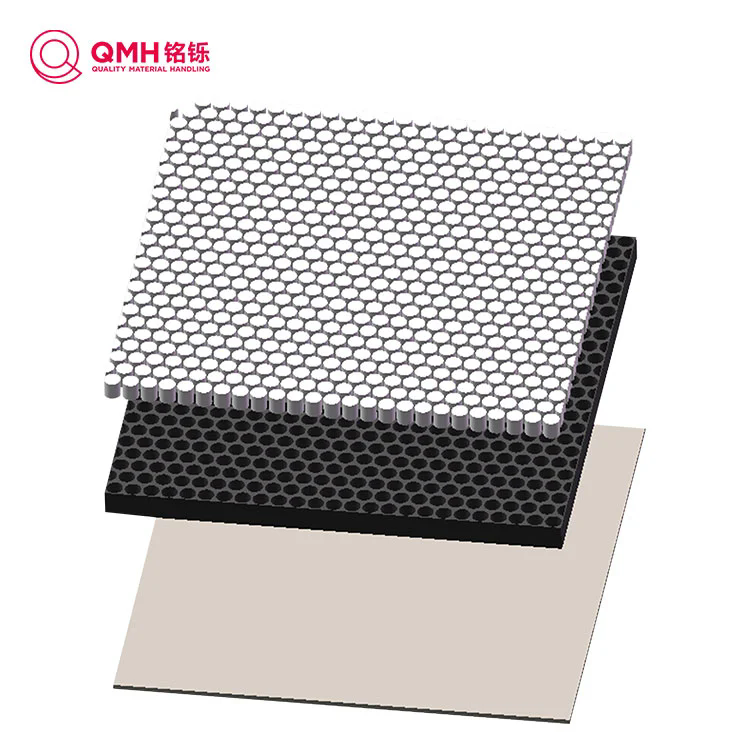
Ceramic Wear Lining is a high-performance protective material designed for industrial equipment exposed to severe abrasion, impact, and corrosion. It is widely used in mining, cement, power generation, and metallurgical industries. Ceramic linings offer enhanced durability, reduce downtime, and optimize operational efficiency by extending the service life of machinery.
The focus of this article is to provide a comprehensive understanding of Ceramic Wear Lining, its technical specifications, application methods, and how it contributes to long-term operational performance.
| Parameter | Specification |
|---|---|
| Material Composition | Alumina (Al₂O₃) based ceramic, 85%-99% purity |
| Hardness | 1200–1600 HV |
| Impact Resistance | ≥ 15 J/cm² |
| Operating Temperature | -40°C to 1200°C |
| Standard Sizes | 50×50 mm, 100×100 mm, 150×150 mm (customizable) |
| Density | 3.5–3.9 g/cm³ |
| Application Industry | Mining, Cement, Power Plants, Metallurgy |
Selecting the appropriate Ceramic Wear Lining requires understanding the operational environment, abrasion type, and machinery specifications. Key factors include hardness, impact tolerance, thickness, and installation method.
Proper selection ensures optimal lifespan, reduced maintenance frequency, and minimal operational disruption.
Maintenance of Ceramic Wear Lining involves routine inspection, timely replacement of worn sections, and cleaning to prevent buildup of abrasive particles.
Effective maintenance directly impacts the longevity of equipment and minimizes unexpected downtime.
A1: The lifespan depends on the material composition, operating conditions, and maintenance practices. In standard mining operations, high-quality alumina ceramic lining can last between 3 to 7 years, while proper inspection and timely replacement of worn sections can extend service life.
A2: By reducing wear and preventing metal-to-metal contact, ceramic linings decrease the risk of unexpected equipment failure. This ensures stable operational performance, reduces the chance of mechanical hazards, and protects workers from potential accidents due to machinery breakdowns.
A3: Installation typically involves mechanical fastening using bolts, welding on supportive metal plates, or adhesive bonding depending on machinery type. Precise alignment and secure attachment are critical to maintain full protective function under heavy abrasion and impact.
Ceramic Wear Lining represents a vital solution for industries seeking to minimize wear, extend equipment life, and optimize operational efficiency. Proper selection, installation, and maintenance can deliver significant cost savings and operational reliability.
QMH provides a comprehensive range of high-performance Ceramic Wear Lining products, tailored to meet the specific needs of industrial operations. Companies can rely on QMH's expertise to implement durable solutions that withstand extreme wear and impact conditions.
For more detailed information and inquiries about Ceramic Wear Lining products, contact us today.


