Summary: Polymer lining has become a critical solution in various industries due to its exceptional wear resistance, low friction, chemical stability, and customizable properties. This article explains the key benefits, applications, installation methods, and maintenance considerations of polymer linings, helping industries solve challenges like equipment wear, material adhesion, and corrosion.
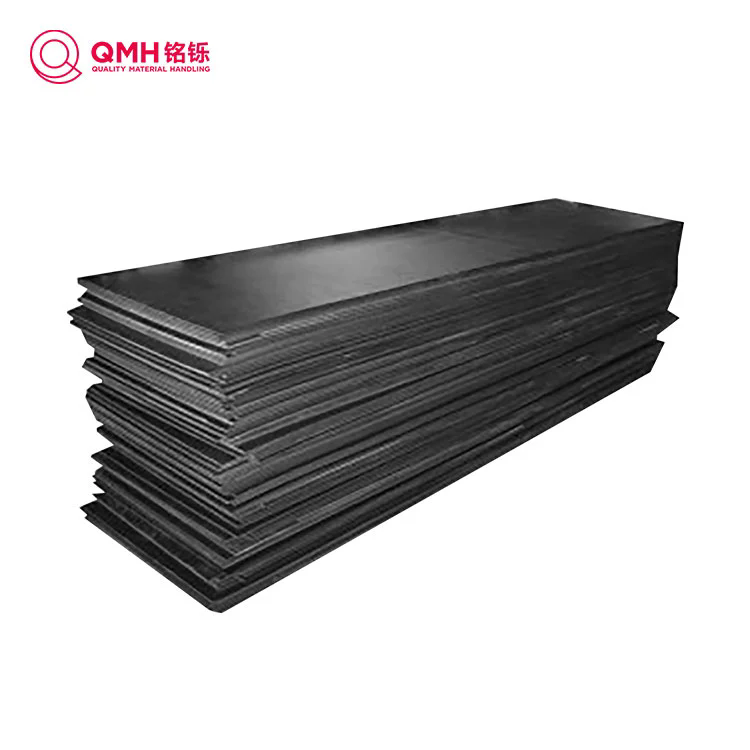
Table of Contents
Overview of Polymer Lining
Polymer lining is a protective layer made from high-performance polymers, designed to reduce wear, prevent corrosion, and improve the operational efficiency of industrial equipment. QMH’s polymer lining solutions are known for their high impact strength, self-lubrication, flame retardancy, and resistance to extreme temperatures. Industries ranging from mining and coal to cement, steel, chemical, and food processing increasingly rely on polymer linings to protect equipment and minimize downtime.
Key Features of Polymer Lining
QMH polymer linings provide a comprehensive set of features that make them ideal for industrial use. These include:
-
Super Wear-Resistance: Up to 6 times higher wear resistance than conventional materials, reducing equipment degradation.
-
Low Friction and Anti-Sticky Surface: Materials flow easily, reducing adhesion and improving process efficiency.
-
Self-Lubrication: Coefficient of friction between 0.07 and 0.11, minimizing maintenance requirements.
-
High Impact Strength: Absorbs shocks and prevents damage in harsh industrial conditions.
-
Chemical and Oil Resistance: Resistant to acids, alkalis, and oils, extending service life.
-
Temperature Resistance: Operates from -195℃ to +120℃, suitable for extreme environments.
-
Flame Retardant: Certified green material, self-extinguishes within 3-10 seconds.
-
Customizable: Thickness, shape, and size can be tailored to equipment specifications.
-
Food and Pharmaceutical Safe: Available in grades compliant with hygiene standards for sensitive industries.
Industrial Applications
Polymer lining is used across multiple industries to solve common operational challenges such as material sticking, wear, and corrosion.
|
Industry
|
Typical Application
|
Purpose
|
|
Mining
|
Ore chutes, bins, conveyors
|
Protect equipment from abrasive ores and reduce maintenance
|
|
Coal
|
Bunkers, chutes, pipelines
|
Prevent material adhesion and bin clogging
|
|
Cement
|
Raw material and product bins, conveyors
|
Improve wear resistance and extend equipment life
|
|
Steel
|
Conveyors, storage bins for ore/coke
|
Reduce abrasion from heavy materials
|
|
Chemical
|
Reactors, pipelines, storage tanks
|
Protect against chemical corrosion
|
|
Food & Pharmaceutical
|
Hoppers, conveyor belts
|
Maintain hygiene and prevent contamination
|
Installation and Maintenance
Proper installation and maintenance maximize the lifespan and efficiency of polymer linings. QMH provides modular designs that allow fast, easy installation and replacement without extensive downtime.
-
Modular Installation: Prefabricated panels or sheets can be fitted directly to equipment surfaces.
-
Ease of Maintenance: Regular inspection is sufficient. Replace only damaged sections instead of entire equipment.
-
Minimal Downtime: Reduces labor costs and prevents large-scale operational disruptions.
Benefits to Industries
Industries that use polymer lining experience a range of operational advantages, including:
-
Extended Equipment Life: Reduces wear and abrasion significantly.
-
Improved Process Efficiency: Low friction and anti-sticking surfaces reduce material buildup.
-
Enhanced Safety: Flame-retardant materials reduce fire risks.
-
Cost Savings: Lower maintenance costs and fewer replacements.
-
Environmental Compliance: Non-toxic, green-certified materials ensure sustainable operations.
Frequently Asked Questions
-
What materials are used in QMH polymer lining?
-
QMH polymer linings use high-performance polyethylene, flame retardant, wear-resistant, and food-grade materials depending on the application.
-
Can polymer linings handle extreme temperatures?
-
Yes, they operate effectively between -195℃ and +120℃ without losing structural integrity.
-
How does polymer lining reduce equipment maintenance?
-
The low friction and high wear resistance minimize wear, while modular design allows simple replacement of damaged sections without major downtime.
-
Is polymer lining suitable for food and pharmaceutical industries?
-
Yes, QMH polymer linings can be customized to meet hygiene standards and food-grade certifications.
Conclusion and Contact Information
Polymer lining is a versatile, durable, and cost-effective solution for industries facing wear, corrosion, and material adhesion challenges. QMH provides high-quality polymer linings tailored to each industry’s specific needs, enhancing equipment life, efficiency, and safety.
For inquiries or detailed product specifications, contact us today and explore how QMH polymer lining can improve your operations.