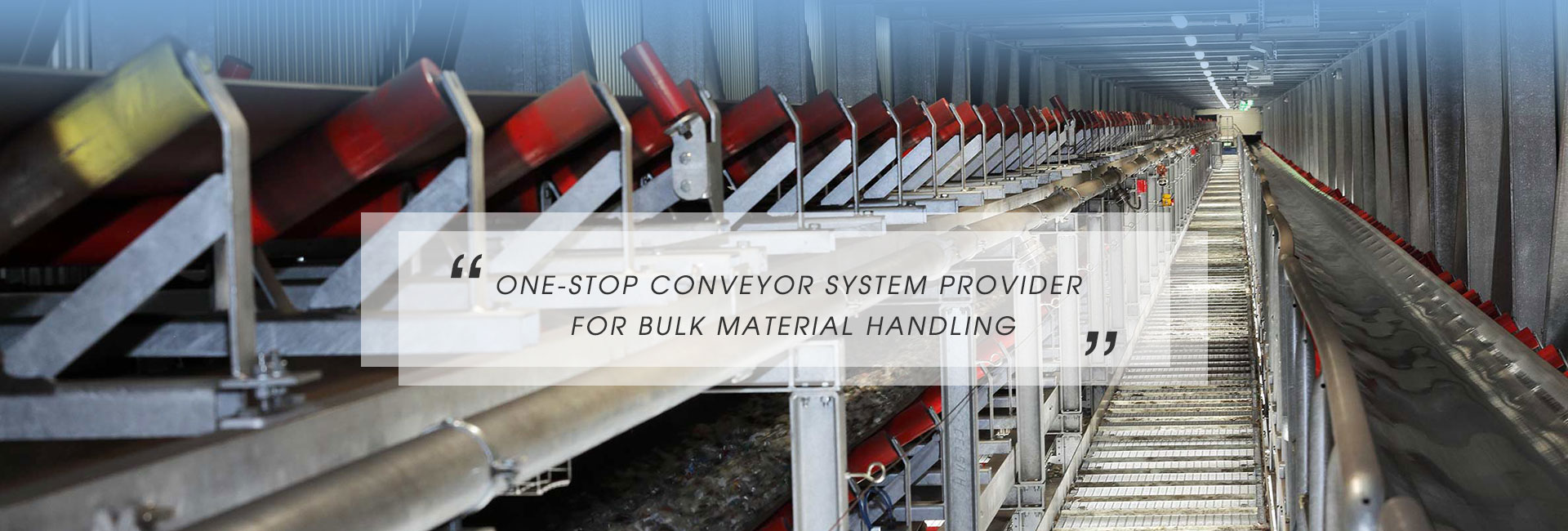
Summary: Filter Conveyor Belts are a critical component in industrial material handling systems, providing reliable filtration and transportation of solids and liquids across various sectors. This comprehensive guide explores types, technical specifications, maintenance strategies, common questions, and practical applications to help businesses maximize operational efficiency.
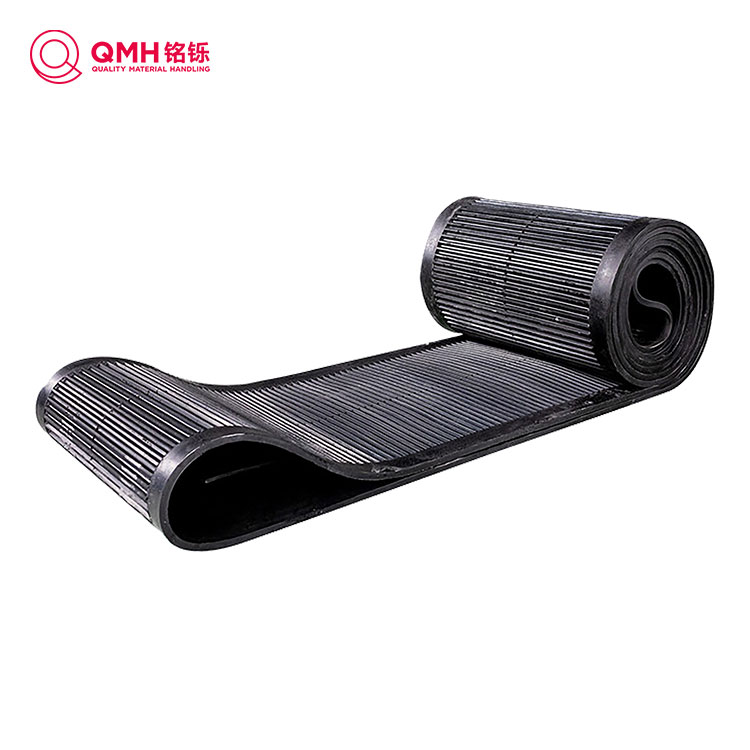
Filter Conveyor Belts are engineered to transport and filter various types of industrial materials efficiently. They are widely used in sectors including mining, chemical processing, food production, wastewater treatment, and more. Their primary function is to separate liquids from solids, remove impurities, and maintain continuous material flow while ensuring minimal downtime.
The central purpose of this guide is to provide a detailed reference for selecting, operating, and maintaining Filter Conveyor Belts. This article covers technical parameters, industry applications, maintenance strategies, and frequently asked questions to support informed purchasing and operational decisions.
Filter Conveyor Belts are available in different materials, sizes, and configurations to meet diverse industrial requirements. Below is a professional overview of typical product specifications:
| Parameter | Specification |
|---|---|
| Belt Material | Polyester, Polypropylene, Stainless Steel Mesh, PVC |
| Belt Width | 300mm - 2000mm |
| Belt Length | 5m - 50m |
| Load Capacity | 50kg - 2000kg per meter |
| Temperature Range | -20°C to 120°C (standard belts), up to 250°C for high-temp belts |
| Filtration Size | 10μm - 2000μm depending on application |
| Drive System | Motor-driven rollers, gear motor, variable speed drives |
| Applications | Mining slurry filtration, chemical processing, wastewater treatment, food production, aggregate handling |
Filter Conveyor Belts are widely adopted across multiple industrial sectors due to their versatility and reliability:
They enable efficient separation of valuable minerals from slurry and waste materials, reducing water consumption and improving productivity.
High-precision belts are used for filtering powders, granules, and chemical slurries, ensuring consistent product quality and operational safety.
Belt systems handle dewatering of fruits, vegetables, and other agricultural products, while maintaining hygiene standards and minimizing waste.
Filter Conveyor Belts contribute to wastewater treatment by removing solid contaminants, improving water clarity, and reducing maintenance frequency for downstream equipment.
A1: Consider factors such as the type of material to be filtered, temperature, load capacity, belt width, filtration precision, and chemical resistance. Matching belt material to environmental conditions ensures optimal performance and extended service life.
A2: Regular inspection for wear, debris removal, tension adjustment, and lubrication of moving parts is essential. Periodic washing with suitable detergents or chemical cleaners ensures filtration efficiency is maintained and prevents clogging.
A3: Common issues include belt misalignment, slippage, uneven wear, and filtration clogging. Address misalignment by adjusting rollers, prevent slippage by checking tension, and remove debris or replace damaged sections to maintain smooth operation.
For industries seeking reliable Filter Conveyor Belts with proven performance, QMH offers high-quality solutions designed for durability and efficiency across diverse industrial sectors. Their product portfolio includes advanced materials, customizable sizes, and tailored specifications for various operational needs.
To inquire about products, request quotations, or discuss technical requirements, please contact us today and receive professional assistance for selecting the ideal Filter Conveyor Belt system for your operations.


