Summary: Impact bars are essential components used in various industrial applications, providing crucial protection and extending the lifespan of equipment. This blog explores the role of impact bars, their applications, advantages, and why choosing quality options from trusted suppliers like QMH is important. Read on to learn everything you need to know about impact bars, including their types, materials, and key benefits.
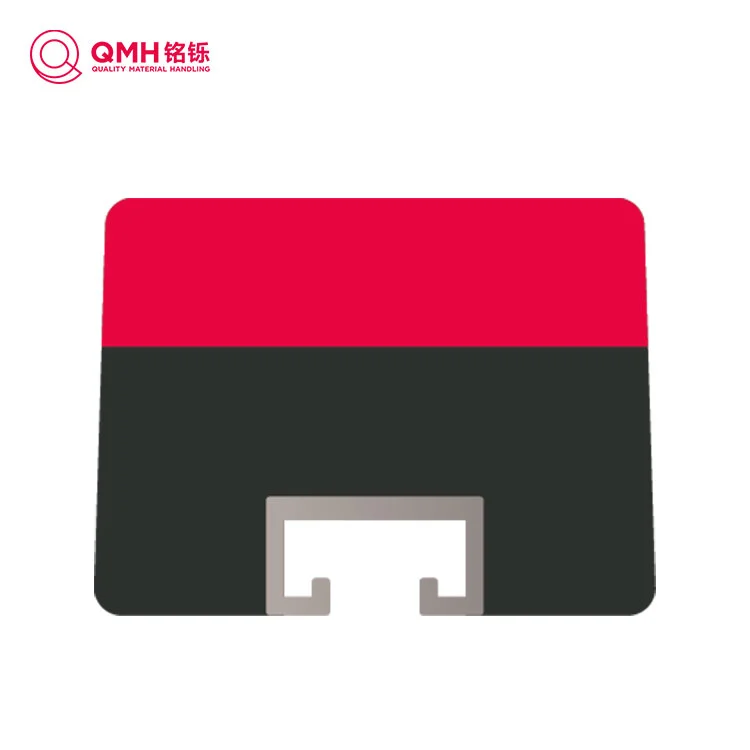
Impact bars are specialized products designed to absorb and dissipate the energy produced by impacts. These bars are installed in various machinery and equipment, such as conveyors and crushers, to protect the components from wear and tear due to heavy impact forces. Typically made from high-quality rubber, steel, or polyurethane, impact bars act as buffers and provide support to critical machinery parts.
Impact bars are widely used in many industries, including manufacturing, mining, and construction. Their primary role is to reduce the damage caused by material handling systems, and some common applications include:
There are various types of impact bars available, each suited for specific applications. Some of the most commonly used types include:
The effectiveness of an impact bar largely depends on the materials used in its construction. Some of the most common materials include:
| Material | Advantages | Common Applications |
|---|---|---|
| Rubber | High flexibility, excellent shock absorption | Conveyor systems, crushers |
| Polyurethane | Highly durable, resistant to wear and abrasion | Mining, aggregate handling |
| Steel | Exceptional strength, longevity | Heavy machinery, industrial crushers |
Impact bars offer a wide range of benefits that make them a popular choice for protecting machinery and equipment:
Choosing the right impact bar depends on several factors, including the nature of the materials being handled, the intensity of impact, and the specific requirements of the equipment. Here are some key considerations:
Industries such as mining, manufacturing, and construction benefit significantly from impact bars, as they help protect equipment from wear and tear caused by constant impact forces.
Yes, many suppliers, including QMH, offer customized impact bars designed to meet the specific needs of your equipment and environment.
The lifespan of impact bars depends on factors such as the material used and the severity of the application. Typically, high-quality impact bars can last for several years before requiring replacement.
Looking for high-quality impact bars? At QMH, we provide durable and reliable impact bars that can significantly improve the performance and lifespan of your machinery. Contact us today to learn more about our products and how they can help your business!


