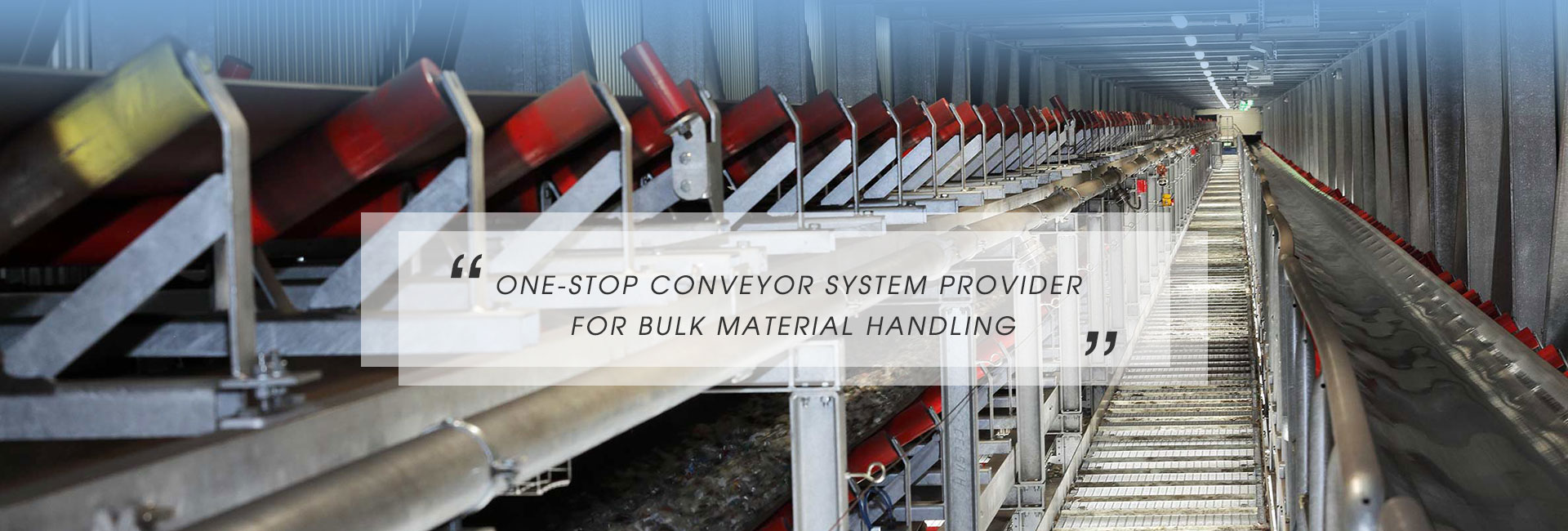
Article Summary: Conveyor belts are a foundational component in many industrial and logistics operations, enabling efficient movement of materials while addressing key pain points such as labor costs, production bottlenecks, and workplace safety. This article examines core concepts, common challenges, practical solutions, and strategic considerations for selecting and optimizing conveyor belt systems across various industries.
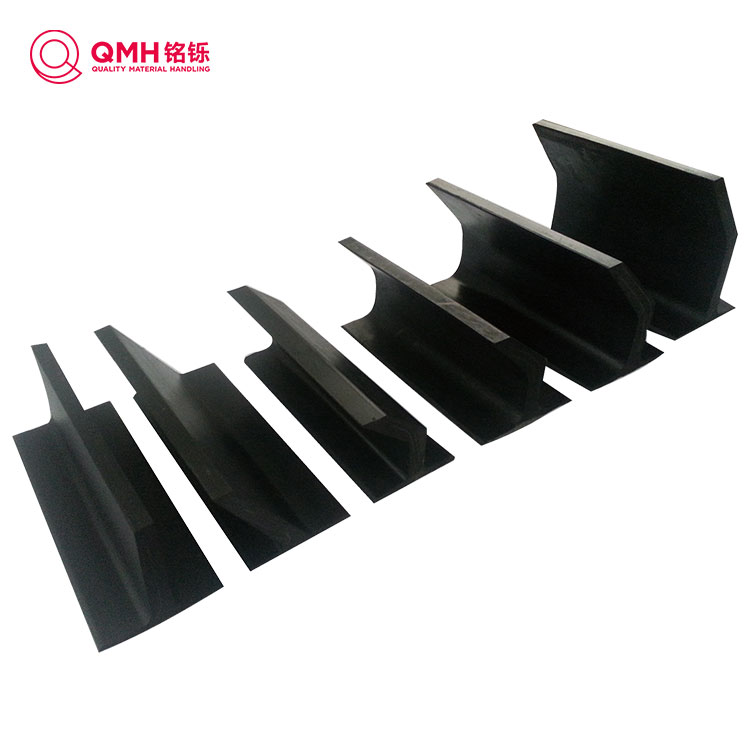
Conveyor belts are continuous loops of material designed to transport objects or bulk materials from one point to another, often as part of automated systems within manufacturing, warehousing, logistics, or processing environments. These systems reduce the need for manual handling, support operational throughput, and can be integrated with control technologies for speed, safety, and accuracy.
At their core, conveyor belt systems rely on a combination of pulleys or rollers, drive mechanisms, and belt surfaces engineered for specific load types and operational conditions. In essence, conveyor belts form the backbone of modern material handling, enabling businesses to scale operations while mitigating inefficiencies and reducing human strain.
To understand how conveyor belts solve operational pain points, it is helpful to break down their core functions and components. A typical conveyor belt system includes the following elements:
Conveyor belt systems come in different designs that match specific operational requirements, load types, and environmental considerations. Common categories include the following:
| Type of Conveyor Belt | Typical Uses |
|---|---|
| Flat Belt Conveyors | General material handling, packaging, and sorting of goods in warehouses and manufacturing. :contentReference[oaicite:5]{index=5} |
| Troughed or Bulk Conveyors | Transporting loose or bulk materials such as aggregates, grains, and ores. :contentReference[oaicite:6]{index=6} |
| Modular Plastic Belts | Food, beverage, and assembly lines needing easy cleaning and flexibility. :contentReference[oaicite:7]{index=7} |
| Woven or Metal Belts | High-temperature or heavy-duty applications, including parts cooling. :contentReference[oaicite:8]{index=8} |
| Sandwich or Twin Belts | Vertical lifting or incline conveying for fragile or lightweight products. :contentReference[oaicite:9]{index=9} |
When evaluating conveyor belt systems, businesses often face operational challenges related to productivity, space utilization, safety, and cost. Addressing these challenges requires both design choices and implementation strategies:
Successful conveyor belt integration involves matching system design to operational needs and maintaining reliable performance:
Q: What industries benefit most from conveyor belt systems?
A: Conveyor belts are widely used in manufacturing, logistics and warehousing, mining, food processing, and distribution centers due to their versatility and ability to handle variable loads and operations. :contentReference[oaicite:11]{index=11}
Q: How do conveyor belts differ by material type?
A: Conveyor belts made from rubber and fabric are common for general handling, while metal or plastic modular belts are used for specific conditions like high temperature, food-grade environments, or ease of cleaning. :contentReference[oaicite:12]{index=12}
Q: What is the primary cause of belt misalignment?
A: Misalignment often results from uneven tension, improper roller alignment, or uneven loading across the belt surface—issues that can be mitigated through proper installation and routine adjustment. :contentReference[oaicite:13]{index=13}
Q: Are conveyor belt systems expensive to implement?
A: Initial investment varies with type, size, and customization requirements, but long-term returns generally include reduced operational cost, lower labor expenses, and improved throughput efficiency. :contentReference[oaicite:14]{index=14}
Conveyor belts are transformative tools for modern material handling, offering scalable solutions to common operational bottlenecks and safety challenges. Their adaptability across industries and compatibility with automation frameworks make them a strategic investment for businesses looking to streamline processes and reduce costs.
QMH provides tailored conveyor belt solutions designed to align with unique operational goals and environments. For tailored system configuration, project consultation, or additional technical insights, please contact us for personalized support and service guidance.


