
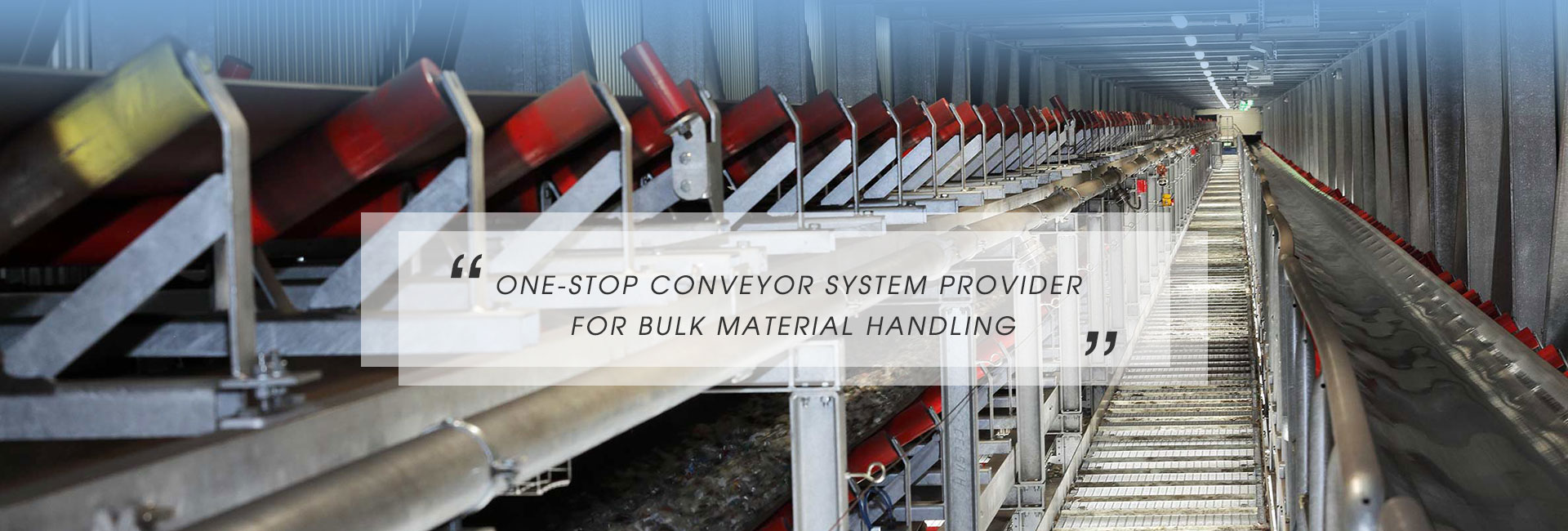
Chevron conveyor belts are engineered to overcome challenges associated with inclined material transport, slippage, and inefficient throughput. This article explores their design benefits, operational principles, maintenance strategies, and real-world solutions that maximize performance for industrial applications.
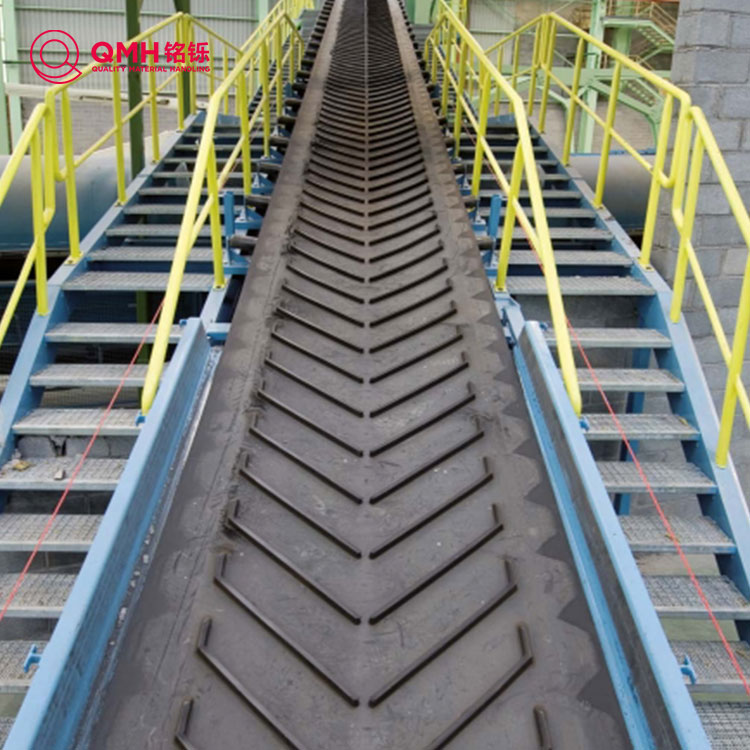
Table of Contents
Overview of Chevron Conveyor Belts
Chevron conveyor belts are specialized belt systems designed with raised chevron patterns or cleats molded into the belt surface. These patterns create additional grip for transporting bulk materials on steep inclines, significantly reducing material rollback and slippage. Industries ranging from mining and quarrying to agriculture rely on these belts when standard flat belts fail to deliver consistent performance due to load shift or incline-related challenges.
The defining characteristic of a chevron conveyor belt is the distinctive V-shaped (chevron) cleat pattern, which increases traction and material retention. Chevron belts are available in a range of materials, cleat heights, belt widths, and incline angles to suit diverse operational demands.
Key Benefits in Material Handling
Chevron conveyor belts offer clear advantages when dealing with difficult conveying tasks. Below is a structured list of key benefits that address typical pain points in material handling operations:
- Enhanced Traction: The chevron pattern prevents slippage on steep angles, ensuring consistent material transport.
- Improved Load Control: Raised cleats keep material from flowing back, reducing spillage and waste.
- Versatile Application: Suitable for a wide range of materials including granules, powders, and irregular loads.
- Reduced Downtime: Better grip reduces belt tension requirements and mechanical strain on drive components.
- Safety Improvements: Stable material flow lowers the risk of unpredictable load shifts that can compromise worker safety.
These benefits translate into measurable operational improvements such as higher throughput, reduced maintenance costs, and extended service life.
How to Choose the Right Chevron Belt
Selecting an appropriate chevron conveyor belt requires evaluating operational conditions, incline angles, material characteristics, and environmental factors. The table below outlines the most critical selection criteria:
| Criteria | Consideration |
|---|---|
| Material Type | Size, abrasiveness, moisture content, and bulk density influence cleat design and belt material choice. |
| Incline Angle | Higher angles typically require taller cleats and stronger belt compounds to maintain grip. |
| Temperature Range | High or low temperatures affect material flexibility and traction performance. |
| Chemical Exposure | Chemical-resistant belts are required in corrosive environments. |
| Operational Speed | Matching belt speed to processing needs ensures consistent performance and minimizes wear. |
Installation and Best Practices
Correct installation of a chevron conveyor belt establishes the foundation for optimal performance and long-term durability. Follow these best practices:
- Pre-Installation Inspection: Confirm belt integrity, cleat uniformity, and absence of damage.
- Proper Alignment: Ensure pulleys and rollers are aligned to prevent edge wear and uneven tension.
- Tension Calibration: Apply manufacturer-recommended tension; over-tensioning accelerates wear.
- Cleat Orientation: Verify the chevron pattern faces the direction of travel for proper material retention.
- Initial Trial Run: Conduct a controlled test run with no load to observe tracking and tension behavior.
An experienced installation team can significantly reduce initial downtime and troubleshooting.
Maintenance Tips for Long Service Life
Regular maintenance extends belt life, prevents unplanned stoppages, and sustains high performance. Implement the following routine practices:
- Daily Visual Inspections: Check for tears, worn cleats, or foreign debris lodged between grooves.
- Clean Belt Surface: Remove buildup that can degrade traction or cause uneven wear.
- Monitor Tracking: Adjust tracking to avoid edge abrasion and uneven stress distribution.
- Lubricate Components: Proper lubrication of rollers and bearings reduces friction and energy loss.
- Scheduled Replacement: Replace belts nearing the end of service life before critical failure occurs.
Timely maintenance not only preserves belt performance but also enhances operator safety and production consistency.
Cost Factors and ROI Considerations
Investment in chevron conveyor belts should be evaluated not only in terms of upfront cost but also operational benefit. Consider the following:
- Material Quality: Premium compounds and cleat designs command higher prices yet deliver reduced wear and longer life.
- Installation Services: Professional installation improves performance and reduces the likelihood of costly rework.
- Downtime Savings: Reduced slippage and maintenance translates to lower labor costs.
- Productivity Gains: Stable material flow increases throughput, impacting overall production efficiency.
When assessed over an operational cycle, the total cost of ownership often favors belts engineered specifically for the task, such as chevron designs for inclined transport.
Frequently Asked Questions
Q1: What is the maximum incline angle suitable for a chevron conveyor belt?
A1: The maximum incline angle depends on cleat height, belt material, and load type. Typical chevron belts can handle inclines from 15 to 45 degrees, but specific designs may exceed this range when engineered for heavy-duty applications.
Q2: Can chevron belts be used horizontally?
A2: Yes, chevron belts function on horizontal conveyors; the raised pattern offers additional grip that can improve load control even on flat surfaces.
Q3: How often should a chevron belt be replaced?
A3: Replacement frequency depends on operating conditions, load characteristics, and maintenance practices. Regular inspection helps determine wear progression and optimal replacement timing.
For tailored recommendations, professional installation support, and high-quality chevron conveyor belts that solve your most challenging material handling problems, turn to QMH. Our team is ready to help you achieve reliable performance and uninterrupted operation across your facilities. Contact us today to discuss solutions designed for your specific application.

