Abstract
Pulley lagging is a critical component of industrial conveyor systems that directly impacts traction, belt life, equipment reliability, and maintenance costs. This article explains the challenges faced by conveyor operators, how pulley lagging addresses those challenges, the different lagging materials and patterns available, and how to choose the right solution for specific applications. Practical examples, structured guidance, and a comprehensive FAQ section are included to help decision-makers and maintenance professionals improve uptime and reduce operating expense.
Conveyor systems are foundational to bulk material handling across mining, ports, manufacturing, and logistics operations. Operators however encounter a set of recurring pain points when pulley surfaces are bare or inadequately treated:
Without proper lagging applied to drive and snub pulleys, these issues reduce conveyor efficiency, shorten belt life, and increase labor costs for repairs and replacements.
Pulley lagging is a protective covering applied to the outer face of conveyor pulleys. It functions as an interface layer between the pulley drum and the conveyor belt. By selecting suitable materials and surface patterns, lagging boosts traction and minimizes slippage. The impact on conveyor performance is measurable and reliable when correctly specified and installed.
Lagging can be applied through:
| Category | Description | Typical Use Case |
|---|---|---|
| Plain Rubber | Basic rubber layer that improves grip and protects pulley metal surface. | Dry environments or non-critical applications. |
| Diamond / Chevron Grooved Rubber | Textured patterns that increase traction and shed water/debris. | Wet or muddy environments where slippage is likely. |
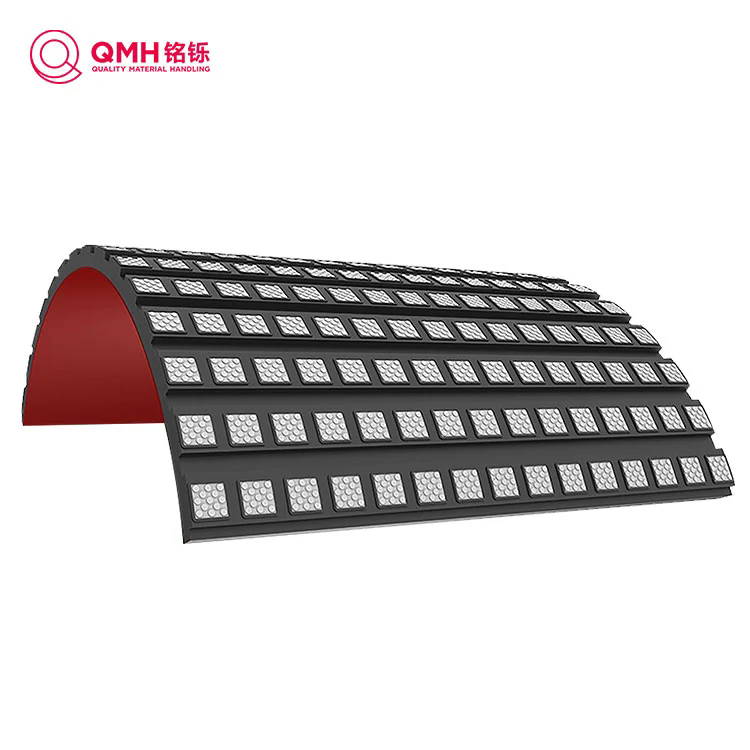
| Ceramic Embedded | Ceramic tiles embedded in rubber provide high abrasion resistance and grip. | Abrasive materials, mining, heavy-duty conveyors. |
| Strip / Replaceable Lagging | Pre-cut segments that can be swapped without replacing entire lagging. | Applications demanding frequent maintenance or rapid field service. |
| Polyurethane (PU) | A lightweight, wear-resistant option with good mechanical properties. | Moderate load conveyors requiring low maintenance. |
Correctly selected and applied pulley lagging delivers measurable improvements to conveyor systems:
When evaluating options for pulley lagging, consider:
Q1: What is pulley lagging made from?
Pulley lagging is typically made from rubber compounds, ceramic-embedded rubber, polyurethane, or combinations thereof, selected according to the operating conditions and desired traction.
Q2: How does lagging reduce conveyor downtime?
By increasing traction and protecting pulley surfaces, lagging reduces belt slippage and wear, which in turn lowers the frequency of unplanned stops and maintenance interventions.
Q3: Can lagging be installed on existing pulleys?
Yes. Lagging can be applied to new or in-service pulleys through vulcanized or cold bonding processes, and field replaceable options exist for easier upgrades.
Q4: What surface pattern is best for wet conditions?
Textured patterns such as diamond or herringbone grooves are most effective for shedding water and maintaining traction in wet, slippery conditions.
Pulley lagging plays a pivotal role in reliable, efficient conveyor operation across industries. By addressing common operational challenges such as belt slippage, wear, and energy loss, lagging helps operators maximize uptime and reduce total cost of ownership. Whether selecting rubber, ceramic, or advanced patterned lagging, aligning material properties with application demands is essential for best results.
For tailored solutions and professional support, visit QMH’s pulley lagging service page. If you want to optimize your conveyor performance and reduce maintenance overhead, please contact us today to discuss how the right pulley lagging can make a difference in your system.


