Dust proof curtains have become essential solutions in modern industrial facilities, clean rooms, healthcare environments, and commercial spaces where contamination control is critical. These specialized barriers provide effective protection against dust, airborne particles, and environmental contaminants while maintaining accessibility and workflow efficiency.
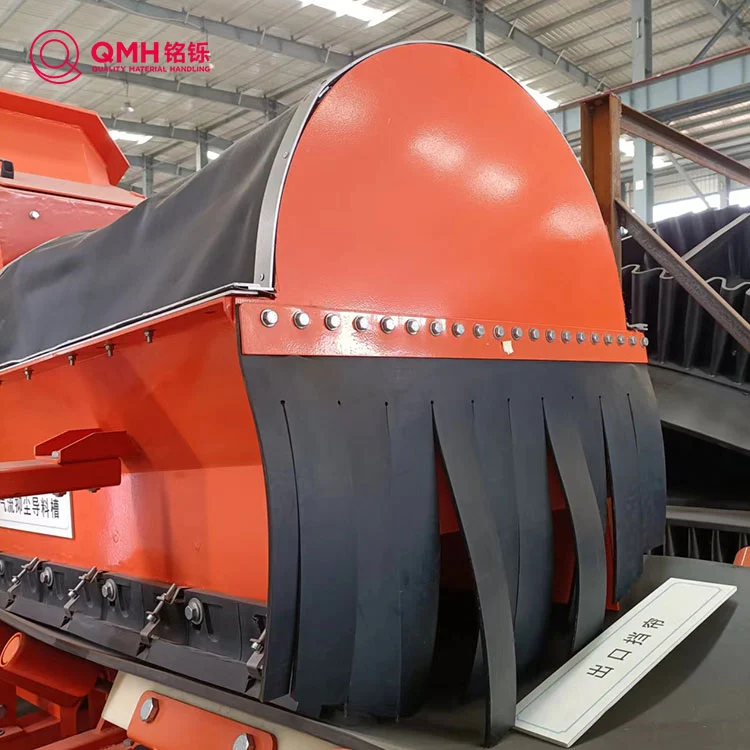
A dust proof curtain, also known as a dust control curtain, clean room curtain, or industrial strip curtain, is a flexible barrier designed to prevent the passage of dust, dirt, airborne particles, and other contaminants between different areas. Unlike solid walls or permanent partitions, dust proof curtains offer the advantage of being flexible, easily installed, and providing clear access while maintaining environmental separation.
Dust proof curtains are commonly used in manufacturing facilities, clean rooms and laboratories, healthcare facilities, food processing plants, construction sites, warehouses, automotive paint booths, and pharmaceutical production areas.
Strip Curtains consist of overlapping vertical strips of clear or colored material that hang from a ceiling-mounted track. They are one of the most common and cost-effective dust control solutions. Strip widths typically range from 50 to 300 millimeters, with thicknesses from 1 to 5 millimeters. They offer simple installation, excellent visibility with clear strips, good thermal insulation, and are easy to pass through. Strip curtains are best suited for warehouses, manufacturing plants, cold storage, and high-traffic doorways.
PVC Curtains are made from flexible polyvinyl chloride, offering durability and resistance to chemicals and moisture. They are easy to clean and best suited for food processing, healthcare, laboratories, and wet environments.
Mesh Curtains allow airflow while blocking larger particles and debris. They are lightweight, cost-effective, and suitable for warehouse partitions, construction sites, and outdoor applications.
Anti-Static Curtains are designed to dissipate static electricity, making them essential in electronics manufacturing and clean room environments. They protect sensitive electronic components and are best suited for electronics manufacturing, clean rooms, and laboratories.
Magnetic Curtains feature magnetic strips that seal the curtain edges together, providing a tighter seal when closed. They offer excellent sealing, are easy to open and close, and are self-closing, making them ideal for clean rooms, cold storage, and applications requiring minimal air exchange.
Fire Retardant Curtains are treated with fire-resistant materials to meet safety codes and are suitable for commercial buildings, healthcare facilities, and industrial applications requiring fire safety.
Dust proof curtains provide effective contamination control by blocking airborne particles and protecting sensitive equipment and products from dust contamination. They help maintain consistent temperatures and reduce energy costs through thermal insulation. These curtains also reduce noise transmission between areas, creating a more comfortable working environment.
Compared to permanent walls or automatic doors, dust proof curtains are significantly more affordable to install and maintain. They can be easily installed, modified, or relocated as needs change, offering flexibility that permanent partitions cannot provide. Unlike doors that require manual opening, dust proof curtains allow personnel and equipment to pass through easily, improving workflow efficiency.
By reducing air exchange between different temperature zones, dust proof curtains help reduce heating and cooling costs. Transparent options allow operators to see through them, improving safety and preventing collisions in busy industrial environments.
Common materials include standard PVC for general industrial use, clear PVC for high-visibility applications, anti-static PVC for electronics and clean rooms, fire retardant PVC for public buildings and healthcare, polyethylene for temporary applications, and mesh for ventilation areas.
Key specification parameters include strip thickness ranging from 1 to 5 millimeters, with thicker strips offering better durability and insulation. Strip width ranges from 50 to 300 millimeters, with narrower strips being easier to pass through. Length is typically custom and can reach up to 5 meters. Standard PVC temperature range is from minus 20 degrees Celsius to plus 60 degrees Celsius, with cold storage versions available. Fire ratings and UV resistance vary by material type.
Mounting options include ceiling tracks for standard installations, rods or pipes for simpler temporary installations, channel systems for a clean appearance, and stainless steel hardware for food processing and medical applications.
In manufacturing and industrial facilities, dust proof curtains are used for creating work zones, controlling dust and debris, and maintaining worker safety around painting and finishing areas, welding and grinding stations, machining and assembly lines, and material handling zones.
In clean rooms and laboratories, dust proof curtains provide barriers that help maintain clean room classifications while allowing access and workflow flexibility between different clean room zones and pass-through areas.
In healthcare facilities, hospitals and clinics use dust proof curtains to protect surgical areas from airborne contaminants, create isolation zones, maintain sterile storage areas, and control dust in pharmaceutical preparation areas.
In food processing plants, dust proof curtains prevent cross-contamination between processing areas, maintain temperature zones, control dust and debris, and meet hygiene and safety regulations.
On construction sites, dust proof curtains isolate work areas from occupied spaces, control dust during demolition and renovation, protect finished areas from construction debris, and create temporary enclosed work zones.
In warehouses and logistics centers, dust proof curtains separate clean storage from high-traffic areas, create temperature-controlled zones, protect products from dust contamination, and improve organization and workflow.
Before installation, consider the size and shape of the opening to be covered, the required dust control level, temperature and humidity conditions, traffic patterns and access needs, building code requirements, and the type of mounting hardware needed.
The basic installation process involves measuring the opening width and height, adding approximately 10 to 30 centimeters to the width to ensure proper overlap, and allowing the curtain to extend 5 to 10 centimeters below the bottom of the opening. The mounting track is attached securely to the ceiling, wall, or floor using appropriate fasteners, ensuring it is level and securely anchored. Strips are cut to the required length, approximately 3 to 5 centimeters longer than the measured opening height to allow for adjustment. Mounting clips or hardware are attached to the strips according to the manufacturer's instructions. The strips are hung on the track, ensuring they overlap appropriately at 30 to 50 percent overlap, and adjusted to ensure they reach the floor or slightly overlap the bottom.
Tools required include a measuring tape, level, drill with appropriate bits, utility knife, screwdrivers, and appropriate fasteners.
Regular cleaning involves wiping down PVC strips with a mild detergent and soft cloth. For heavy contamination, industrial cleaners approved for PVC should be used. Abrasive materials that can scratch or damage the surface should be avoided. Damaged strips should be replaced promptly to maintain effectiveness.
Regular inspection involves checking strips for cracks, tears, or excessive wear, ensuring mounting hardware remains secure, and verifying that the curtain maintains proper seal and overlap. Replacement schedules typically range from two to five years for light-duty applications, one to three years for medium-duty applications, and six months to two years for heavy-duty applications, depending on traffic frequency, temperature extremes, chemical exposure, and UV exposure.
When selecting a dust proof curtain, assess the required level of dust control, temperature and humidity conditions, and traffic patterns and frequency. Choose standard PVC for general applications, anti-static for electronics and sensitive equipment, fire retardant for code compliance, food-grade materials for food processing, and UV-resistant materials for outdoor applications.
Determine proper strip configuration based on traffic patterns and coverage needs. Strip width and thickness should match the application requirements. Clear strips are preferred for visibility, while colored strips can be used for zone identification. Overlap of 30 to 50 percent is standard for most applications, with more overlap needed for higher dust control requirements.
Consider environmental conditions such as temperature extremes, chemical exposure, high humidity, and outdoor exposure, which may require special materials. Evaluate safety requirements including fire safety codes, visibility requirements, and emergency access needs.
Dust proof curtains are practical, cost-effective solutions for controlling dust, maintaining clean environments, and improving workflow efficiency in a wide range of applications. To select the right dust proof curtain, clearly define your dust control requirements and application conditions, choose appropriate materials for your specific environment, install the curtain properly to maximize effectiveness, maintain the curtain regularly to ensure long-term performance, and consider future needs and the ability to modify or expand the system.
The right dust proof curtain can significantly improve contamination control, protect sensitive equipment, reduce cleaning costs, and enhance safety and comfort in any workspace.


