
Article Summary: Conveyor belt systems are fundamental in modern industrial operations, but they often face common challenges such as carryback, belt misalignment, and material buildup. This article explains how an H-type polyurethane pulley scraper works, why it matters to your operation, and how it addresses customer pain points. Included are performance comparisons, installation guidelines, maintenance recommendations to help you make informed decisions for your conveyor systems.
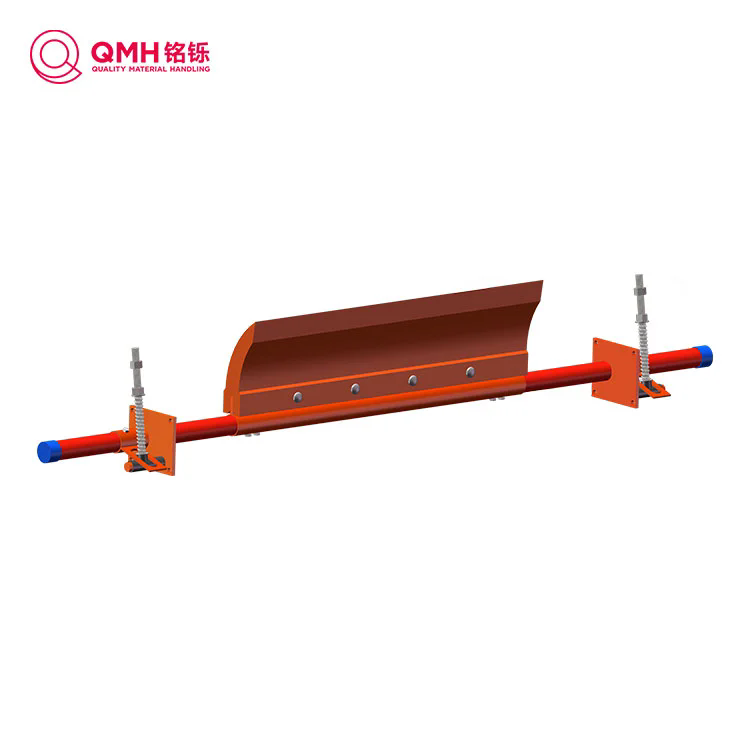
Table of Contents
- Overview of H-type Polyurethane Pulley Scraper
- Common Conveyor Belt Problems
- Benefits of Using an H-type Polyurethane Pulley Scraper
- Key Features and Material Properties
- How to Select the Right Scraper
- Installation and Operating Tips
- Frequently Asked Questions
- Conclusion and Contact Information
Overview of H-type Polyurethane Pulley Scraper
The H-type polyurethane pulley scraper is specifically engineered to clean conveyor pulleys and remove carryback material that sticks to belts. This scraper utilizes high-performance polyurethane blades arranged in an H-formation to deliver consistent cleaning action against the pulley surface. Compared with traditional metal scrapers, polyurethane offers greater flexibility, wear resistance, and reduced risk of damage to the belt surface.
Common Conveyor Belt Problems
Industrial conveyor systems encounter several recurring issues that can degrade performance and increase operating costs. Understanding these challenges helps clarify the need for effective scraper solutions.
- Material Carryback: Sticky or fine particles cling to the belt and transfer to pulleys, idlers, and structures.
- Belt Tracking Misalignment: Accumulation of debris causes belts to run off the centerline.
- Wear and Tear: Excess material buildup accelerates wear on pulleys, rollers, and chassis components.
- Downtime and Maintenance Costs: Frequent cleaning and unplanned repairs disrupt production schedules.
Benefits of Using an H-type Polyurethane Pulley Scraper
Implementing an H-type polyurethane pulley scraper can directly improve conveyor performance while addressing the problems listed above. Core benefits include:
| Benefit | Description |
|---|---|
| Effective Cleaning | H-type layout ensures consistent contact with pulley surfaces, reducing carryback efficiently. |
| Belt Protection | Polyurethane’s flexibility protects belt surfaces from scratches or gouging that metal scrapers can cause. |
| Reduced Wear | Lower abrasion against components increases service life of pulleys and idlers. |
| Lower Maintenance | Less frequent manual cleaning and fewer emergency repairs save labor costs and downtime. |
| Adaptability | Suitable for a range of conveyor speeds, loads, and environmental conditions. |
Key Features and Material Properties
The performance of an H-type polyurethane pulley scraper is rooted in its material composition and structural design:
- High-Grade Polyurethane Material: Combines elasticity with abrasion resistance to adapt to varying pulley diameters without deformation.
- H-Profile Blade Structure: Ensures wider cleaning coverage and stabilizes scraper pressure distribution.
- Quick Replacement Design: Blade modules can be easily swapped in the field, minimizing downtime.
- Corrosion Resistance: Polyurethane resists moisture and chemical exposure common in industrial settings.
How to Select the Right Scraper
Choosing the correct H-type polyurethane pulley scraper requires evaluating your conveyor’s operating parameters and environmental conditions. Consider the following factors:
- Belt Width and Tension: Match scraper blade length and mounting design to the belt width for optimal performance.
- Pulley Diameter: Ensure blade curvature accommodates pulley sizes without stressing the material.
- Material Properties: Evaluate abrasion levels, moisture content, and particle stickiness of conveyed materials.
- Operating Speed: High-speed conveyors may require reinforced blades or secondary cleaning stages.
Installation and Operating Tips
Proper installation and routine checks help maintain scraper effectiveness and extend service life. Follow these best practices:
- Correct Alignment: Position the scraper to make gentle yet effective contact with the pulley surface without excessive pressure.
- Secure Mounting: Use vibration-resistant fasteners to prevent loosening over time.
- Routine Inspection: Periodically check blades for wear, cracks, or displacement.
- Clean Surroundings: Remove large debris around the pulley area to support scraper performance.
Frequently Asked Questions
What makes polyurethane better than traditional metal scrapers?
Polyurethane combines flexibility with durability, reducing the risk of belt damage while maintaining effective scraping action. Metal scrapers can scratch or damage the belt surface under certain conditions, whereas polyurethane adapts to contours without compromising performance.
Can an H-type scraper work on all conveyor sizes?
Yes, H-type scrapers are available in a range of sizes and blade configurations to match different belt widths and pulley diameters. Select the correct model based on your conveyor’s specifications.
How often should I replace the scraper blades?
Replacement frequency depends on material abrasion levels, operating hours, and environmental conditions. Regular visual inspection allows you to monitor wear and replace blades before performance declines.
Are H-type scrapers compatible with high-speed conveyors?
Yes, provided the scraper is selected and installed correctly with appropriate reinforcement for higher belt speeds. Consult supplier guidelines to match the scraper with your conveyor’s speed range.
Does the scraper require maintenance apart from blade replacement?
Routine maintenance includes checking fasteners, ensuring correct alignment, and cleaning the surrounding area to support the scraper’s efficiency. Minimal maintenance is generally needed compared to manual cleaning approaches.
Conclusion
An H-type polyurethane pulley scraper is a practical solution to common conveyor belt problems such as material carryback, belt wear, and increased maintenance burdens. Its combination of durable material, thoughtful design, and easy maintenance makes it a valuable component in industrial conveyor systems. By selecting the right model and following proper installation and inspection procedures, you can enhance conveyor performance, reduce downtime, and extend the life of your equipment.
For high-quality H-type polyurethane pulley scrapers and expert support, contact QMH today. Whether you need product consultation, custom solutions, or ongoing service assistance, our team is ready to help. Contact us to improve your conveyor system’s reliability and efficiency with the right scraper solution.

