Skirt rubber is a specialized industrial rubber used in bulk material handling systems to contain material on conveyor belts, prevent spillage, and reduce dust emissions at loading and transfer points. This article explains the core functionality of skirt rubber, its design principles, technical specifications, operational considerations, and how it alleviates common conveyor-related problems. Practical guidelines and a detailed section are included to assist engineers and procurement professionals in selecting the right skirt rubber solution. The content reflects real-world applications and technical logic without direct reference to external templates.
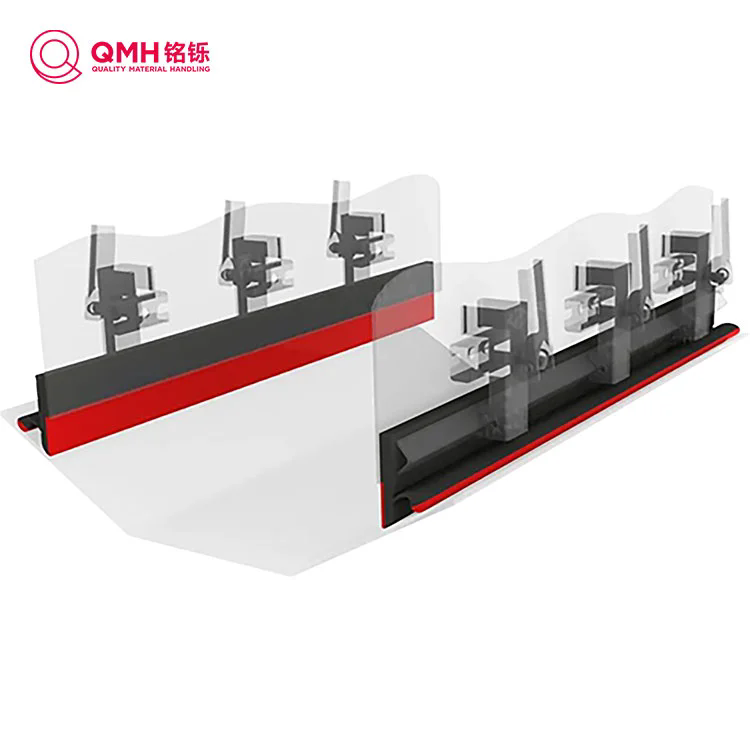
Skirt rubber is a form of conveyor skirting material designed to act as a sealing surface along the edges of conveyor belts in bulk material handling environments. Installed at strategic points such as loading zones, transfer points, and chute interfaces, skirt rubber prevents raw materials from escaping the belt path and limits airborne dust, which can otherwise increase wear and reduce operational efficiency. The flexibility and abrasion resistance of quality skirt rubber enable it to form a close contact with the belt surface while minimizing damage to the belt itself.:contentReference[oaicite:0]{index=0}
In industrial material handling operations such as mining, quarrying, cement, and bulk logistics, uncontrolled material spillage and dust emission are persistent problems. Conveyor belts move large volumes of abrasive materials at high speeds, and at points where material drops onto the belt or transfers between conveyors, the absence of a proper sealing interface can lead to:
Skirt rubber acts as an effective barrier that addresses these issues by containing bulk material, reducing leakage around the belt edges, and limiting dust emission into surrounding areas.:contentReference[oaicite:1]{index=1}
Different types of skirt rubber are designed to suit varied conveyor systems and material flow conditions. Their principal characteristics include material hardness (measured by Shore A), thickness, tensile strength, and abrasion resistance. Common variants include flat skirt rubber, dual-layer skirts, and specialized compound skirts combining rubber with polyurethane layers.:contentReference[oaicite:2]{index=2}
| Specification | Typical Range or Value |
|---|---|
| Material | Natural Rubber / EPDM / Polyurethane blend |
| Hardness (Shore A) | 35 – 75 Shore A |
| Tensile Strength | ≥ 12 MPa (varies by compound) |
| Elongation at Break | ≥ 300% (varies by material) |
| Standard Width | 100 – 2000 mm (or customized) |
| Standard Thickness | 8 – 20 mm (or customized) |
Manufacturers often supply skirt rubber in rolls or pre-cut segments, allowing installation flexibility and speed during routine maintenance or retrofitting.:contentReference[oaicite:3]{index=3}
Selecting the right skirt rubber solution depends on the application environment, material characteristics, conveyor speed, and maintenance preferences. The following criteria can serve as a reference:
Proper installation of skirt rubber is critical to achieving effective sealing and material containment. Key practices include:
When integrated thoughtfully with belt cleaners and chute liners, skirt rubber significantly improves overall conveyor reliability and reduces operational disruptions caused by material leakage and dust.:contentReference[oaicite:4]{index=4}
Q: What is skirt rubber used for?
A: Skirt rubber is used primarily in conveyor belt systems to seal the edges and prevent bulk materials from spilling, helping contain dust and improve belt cleanliness and safety.
Q: What are the common materials used in skirt rubber?
A: Skirt rubber typically uses natural rubber, EPDM, or composite compounds blended with polyurethane to provide abrasion resistance, flexibility, and durability.
Q: How does skirt rubber affect maintenance costs?
A: Properly selected skirt rubber lowers maintenance costs by reducing cleanup, minimizing belt edge wear, and extending intervals between replacements.
Q: Can skirt rubber be customized?
A: Yes. Skirt rubber is often supplied in custom widths, thicknesses, and configurations to match specific conveyor designs and operational needs.
Skirt rubber plays a vital role in modern conveyor systems by preventing material spillage, reducing dust emissions, and protecting conveyor belt integrity. Its design versatility and material options ensure it can be tailored to diverse industrial environments and performance demands. For industrial bulk handling operators facing recurring spillage and dust control challenges, integrating a quality skirt rubber solution can deliver measurable improvements in operational cleanliness, equipment longevity, and overall throughput.
For expert guidance, customized solutions, and quotation requests, QMH offers a comprehensive range of skirt rubber products and support services tailored to your conveyor system requirements. Contact us today to optimize your material handling efficiency and reduce operational downtime.


