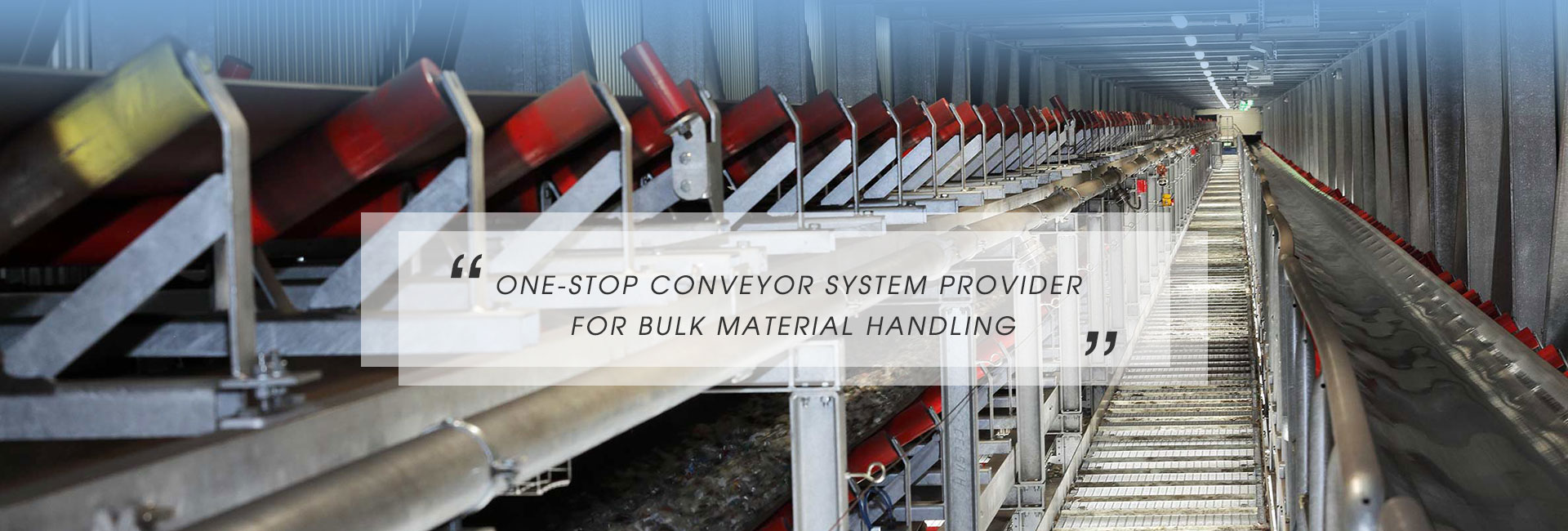
Industrial conveyor systems face constant challenges with dust, material spillage, belt wear, and inefficiencies. Skirt rubber is a critical component designed to address these issues by sealing the conveyor belt edges and containing materials during transport. This article explains how skirt rubber works, outlines the key benefits, provides specification guidelines, troubleshooting tips, and answers frequent questions to help engineers and operations managers optimize conveyor performance.
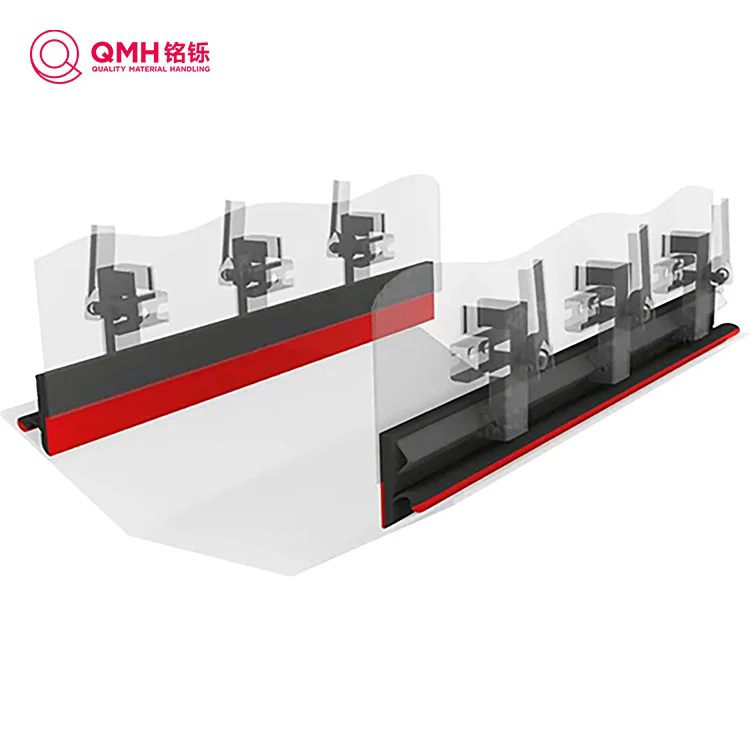
Skirt rubber refers to engineered rubber sheets or strips installed along the sides or edges of conveyor belt loading zones to contain bulk materials and minimize dust and spillage during transport. It is commonly seen in mining, quarrying, cement, agriculture, and manufacturing applications.
These rubbers can be supplied in a range of thicknesses and widths and are typically made from natural rubber, synthetic blends (such as NR/SBR), or specialized compounds with added features like abrasion resistance and flexibility.
Without effective skirt rubbers, conveyor systems can suffer from material that falls off the belt edges, creating operational inefficiencies and cleanup costs. Properly designed skirt rubber ensures that materials are guided smoothly from the feed point through the conveyor system with minimal leakage.
Dust control is another primary function. In facilities with tight environmental and safety requirements, reducing airborne dust not only improves workplace conditions but can also help avoid regulatory fines.
| Specification | Description |
|---|---|
| Material Type | Natural rubber, NR/SBR blends, or specialty compounds for abrasion resistance |
| Hardness (Shore A) | Typically ranges from soft (35–50) to harder grades (55–75) depending on application |
| Tensile Strength | Determines resistance to tearing and stretching during conveyor use |
| Elongation at Break | Indicates flexibility and ability to maintain contact with the belt surface |
| Thickness / Width | Customized based on conveyor size and throughput requirements |
Specifications such as hardness and tensile strength influence how the skirt rubber will wear over time and how well it seals against the conveyor belt. Softer compounds may seal better but wear faster, while harder compounds extend lifetime in abrasive environments.
Proper installation ensures that the skirt rubber maintains consistent contact with the conveyor belt without excessive pressure that could lead to belt wear. Before installation:
Routine inspections are essential. Look for uneven wear patterns or gaps that may develop over time, and replace worn sections promptly to maintain containment performance. Many fabricators will supply pre-cut strips or rolls to ease replacement and customization.
Even with well-specified materials, issues can arise. Here are common problems and recommended actions:
Skirt rubber is typically made from natural rubber, NR/SBR blends, or abrasion-resistant compounds. Specialized fire-resistant or anti-static compounds are also available for high-risk environments.
Hardness is based on how aggressive your material handling environment is. Softer grades create better seals but may wear faster, while harder grades resist abrasion but might be less conformable. Assessing material characteristics and operating conditions will help guide selection.
Yes. By minimizing material spillage and dust, skirt rubber can reduce belt damage and cleanup labor, contributing to lower overall maintenance costs.
Selecting the right skirt rubber for your conveyor systems can significantly improve operational efficiency, reduce waste, and extend equipment life. Industries from mining to manufacturing depend on well-designed skirt sealing systems to manage dust, spillage, and belt wear effectively. If you need tailored solutions or further guidance for your specific application, QMH offers Reliable Skirt Rubber Options to Meet Your Needs — contact us today to request a quote and expert support.


