Impact Beds Regular are essential components in material testing environments, designed to ensure precise impact testing, durability assessment, and safety evaluation. This article explores the key benefits, technical specifications, selection criteria, and common challenges faced by users in industrial and laboratory settings. It also highlights how QMH provides reliable and high-performance Impact Beds Regular solutions to optimize testing results while reducing maintenance and operational issues.
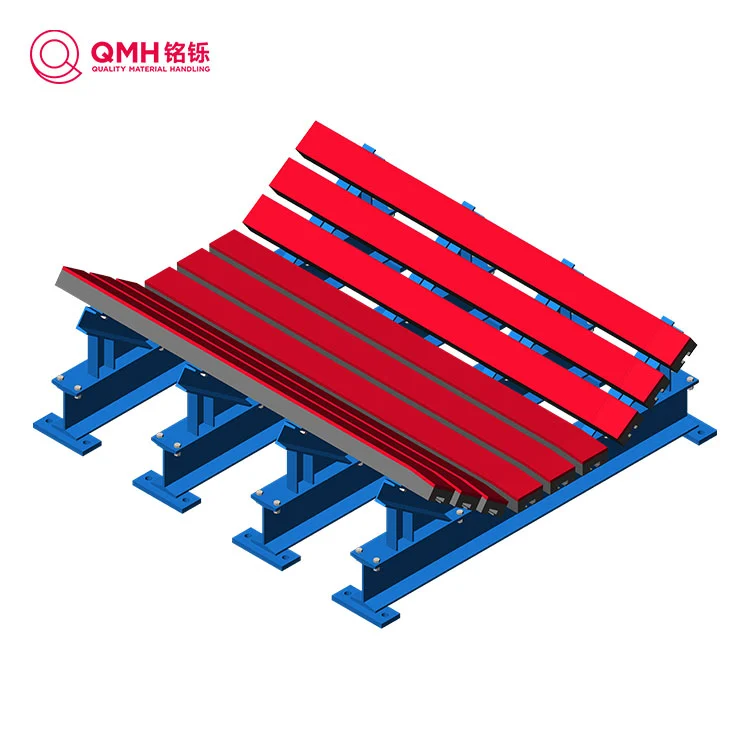
Impact Beds Regular are engineered platforms designed to support material testing by absorbing and distributing forces during drop, impact, and durability tests. They are widely used in automotive, construction, aerospace, and laboratory testing facilities. These beds are constructed from high-strength materials that ensure long-lasting performance, uniform load distribution, and accurate measurement results.
QMH specializes in manufacturing and supplying Impact Beds Regular that are optimized for precision, durability, and operational efficiency, catering to diverse industrial and laboratory requirements.
Many organizations face recurring challenges when utilizing Impact Beds Regular. Recognizing these pain points helps in selecting and maintaining the most effective solutions:
Addressing these challenges requires careful selection, proper installation, and routine maintenance protocols.
Impact Beds Regular come in various types and configurations to meet different testing needs. Selecting the correct type ensures optimal performance and longevity.
Choosing the right Impact Beds Regular involves evaluating multiple technical and operational factors. A systematic approach ensures reliable testing and cost-efficiency.
QMH provides expert consultation and tailored recommendations to help clients select the optimal Impact Beds Regular configuration for their specific testing environments.
The performance of Impact Beds Regular depends on both design and operational management. Key factors include:
Maintaining these factors helps ensure consistent test results and prolongs the lifespan of the impact bed.
| Bed Type | Suitable Applications | Key Advantages | Maintenance Needs |
|---|---|---|---|
| Standard Impact Bed | General material testing | Balanced absorption, cost-effective | Moderate, periodic inspection |
| Heavy-Duty Bed | High-impact, heavy materials | High durability, supports large weights | Regular maintenance recommended |
| Adjustable Height Bed | Variable drop tests | Flexible testing setup | Low to moderate |
| Modular Bed | Custom testing requirements | Easy part replacement, scalable | Low with modular design |
Consistent and precise material testing requires Impact Beds Regular with verified quality standards. Key measures include:
QMH ensures that each Impact Beds Regular unit undergoes rigorous quality checks to deliver reliable performance and long service life.
Impact Beds Regular are used across multiple industries to enhance testing accuracy and safety evaluation:
What makes an Impact Bed Regular suitable for heavy materials?
High-strength construction, reinforced surfaces, and proper load distribution make it suitable for heavy material testing.
How often should Impact Beds Regular be maintained?
Maintenance frequency depends on usage, but regular inspections and part replacements are recommended to ensure accuracy.
Can one impact bed support multiple testing setups?
Yes, modular and adjustable designs allow one bed to support various drop heights and material weights.
Are QMH Impact Beds Regular compatible with standard lab equipment?
Yes, they are designed to integrate seamlessly with common industrial and laboratory testing systems.
Impact Beds Regular are critical for precise, repeatable, and safe material testing. Selecting the right type, maintaining proper operational standards, and partnering with a reliable supplier ensures optimal performance and efficiency.
QMH delivers high-quality Impact Beds Regular tailored for diverse testing environments. If you aim to enhance your material testing capabilities, reduce operational downtime, and achieve accurate results, contact us today to discuss your project and explore how QMH solutions can support your testing requirements.


